

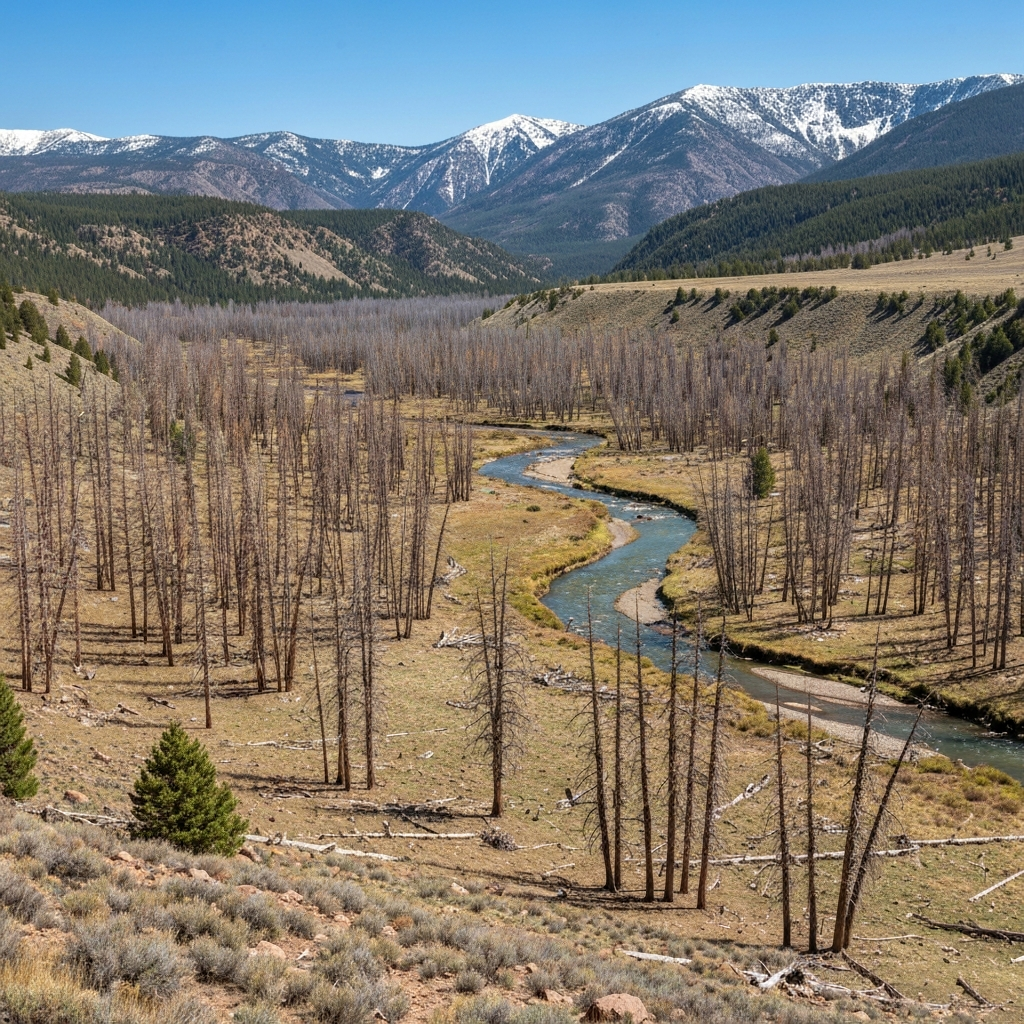
Colorado’s diverse landscapes, from towering mountains to expansive plains, are experiencing significant climate-related challenges. Understanding these issues is crucial for residents and policymakers alike.
Rising Temperatures
Over the past 50 years, Colorado’s average temperature has increased by over 2 degrees Fahrenheit. Projections indicate a further rise of 2.5°F to 5°F by 2050. This warming trend contributes to earlier snowmelt, reduced water availability, and heightened stress on ecosystems. Source
Drought and Water Scarcity
Colorado has faced multiple severe droughts since 2000, notably in 2002, 2012, 2018, and 2020. These conditions threaten water supplies for agriculture, municipalities, and natural habitats. Reduced snowpack and earlier runoff exacerbate water scarcity, impacting both urban and rural communities. Source
Wildfires
Warmer temperatures and prolonged droughts have intensified wildfire risks. Colorado’s five most destructive wildfires have occurred since 2012. Increased heat, drought, and insect outbreaks, all linked to climate change, have contributed to this trend. Source
Air Quality Concerns
Elevated temperatures and wildfire smoke contribute to poor air quality. The Denver metro area ranks as the eighth-most ozone-polluted region in the nation, with an average of 30 high-ozone days annually. This poses health risks, particularly for individuals with respiratory conditions. Source
Public Health Impacts
Climate change affects public health through increased heat-related illnesses, respiratory issues from poor air quality, and mental health challenges following extreme weather events. Vulnerable populations, including children and the elderly, are particularly at risk. Source
Community Resilience and Adaptation
Addressing these challenges requires collaborative efforts in mitigation and adaptation. Strategies include enhancing water conservation, improving forest management, and developing infrastructure resilient to climate impacts. Public awareness and proactive policies are essential for building a sustainable future for Colorado.
By understanding and addressing these climate challenges, Colorado can work towards a more resilient and healthy environment for all its residents.