

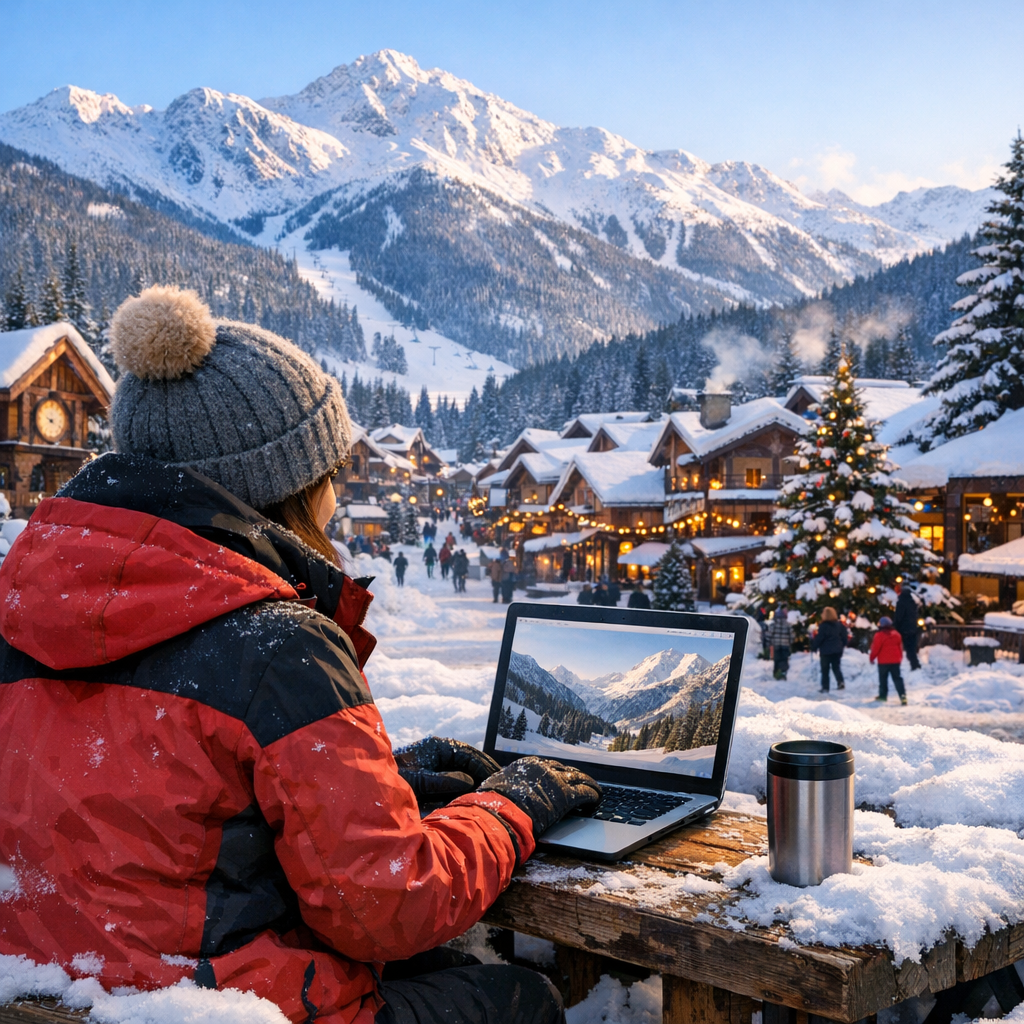
Living in a mountain town like Minturn has its own rhythms—wildlife sightings, snowy winters, clean air, big skies. But in the quiet moments between ski runs and trail hikes, technology is quietly reshaping how we live, work, and reconnect with our surroundings.
Startups Finding a Home in Rural Colorado
Minturn isn’t alone in seeing a wave of founders choosing mountain towns over metro areas. Rural Colorado startups are growing fast, aided by strong remote work infrastructure, lower costs of living, and a lifestyle that nurtures creativity and outdoor balance. These smaller communities often combine unique natural resources with digital tools—turning agriculture, outdoor gear, or adventure tourism into scalable, tech-enhanced businesses.
Organizations like Startup Colorado and regional incubators are filling gaps—mentorship, access to capital, and spaces to share ideas. It’s this mix of rugged landscape and high-speed internet that’s turning places once seen as far off into hubs of innovation.
AI and the Urban–Rural Divide
Artificial Intelligence is advancing fast—but its adoption is uneven. National studies show people in rural areas are using AI tools at roughly half the rate of those in urban centers. That gap reflects infrastructure, awareness, and education, and it affects everything from health care and farm management to remote work opportunities.
For example, generative AI and health technology can improve diagnostics and access to specialty care, especially where clinics are sparse. But tools built mostly around urban data don’t always translate well in rural settings. That growing mismatch means Minturn-area residents, ranchers, and service providers might benefit—or struggle—depending on how technology is designed and governed.
Ranching with Virtual Fences & Smarter Agriculture
One of the most exciting tech shifts here has been virtual fencing. Rather than hauling fence posts across steep terrain and long stretches, ranchers are using GPS collars to keep livestock in prescribed areas, all controlled via phone or computer. It’s efficient, less labor-intensive, and kinder to the land.
We’re also seeing wider use of AI-enabled sensors that monitor soil moisture, plant health, and localized weather. For those growing food or grazing livestock, these tools can yield big payoffs—conserving resources while improving output.
Everyday Gadgets That Make Mountain Living Smoother
Certain tools go from “nice to have” to essential in places with snow, power swings, or long stretches between towns:
- Rugged internet setups: Backup routers, satellite links, and fiber when available help maintain connectivity when storms or terrain interfere.
- Smart home systems: Remote thermostats and sensors help keep water pipes from freezing and houses energy-efficient during cold spells.
- Portable power and solar gear: Useful for camping, outages, or off-grid cabins.
Not every gadget is worth it—some “smart” tools promise big returns but don’t deliver. In mountain environments, durability, local servicing, and weather resistance are often more important than flashy features.
What Minturn Can Do to Stay Ahead
To make sure technology strengthens our community, here are a few paths forward:
- Engage in local digital literacy—offer workshops so people across ages understand AI’s benefits and limits.
- Prioritize infrastructure resilience—fiber optics, power grid stability, and redundancy are the backbone of everything else.
- Advocate for place-based design—tools and software that reflect our climate, land use, and community needs.
- Balance growth with values—as remote workers and startups arrive, affordability, land use, and cultural balance need attention.
Minturn and towns like it are on the cusp of what could be a golden age of rural tech: a time when the mysteries of AI, the promise of startups, and the practicality of gadgets work together to support the lifestyles we cherish—not replace them.