

By Harper Fuentes
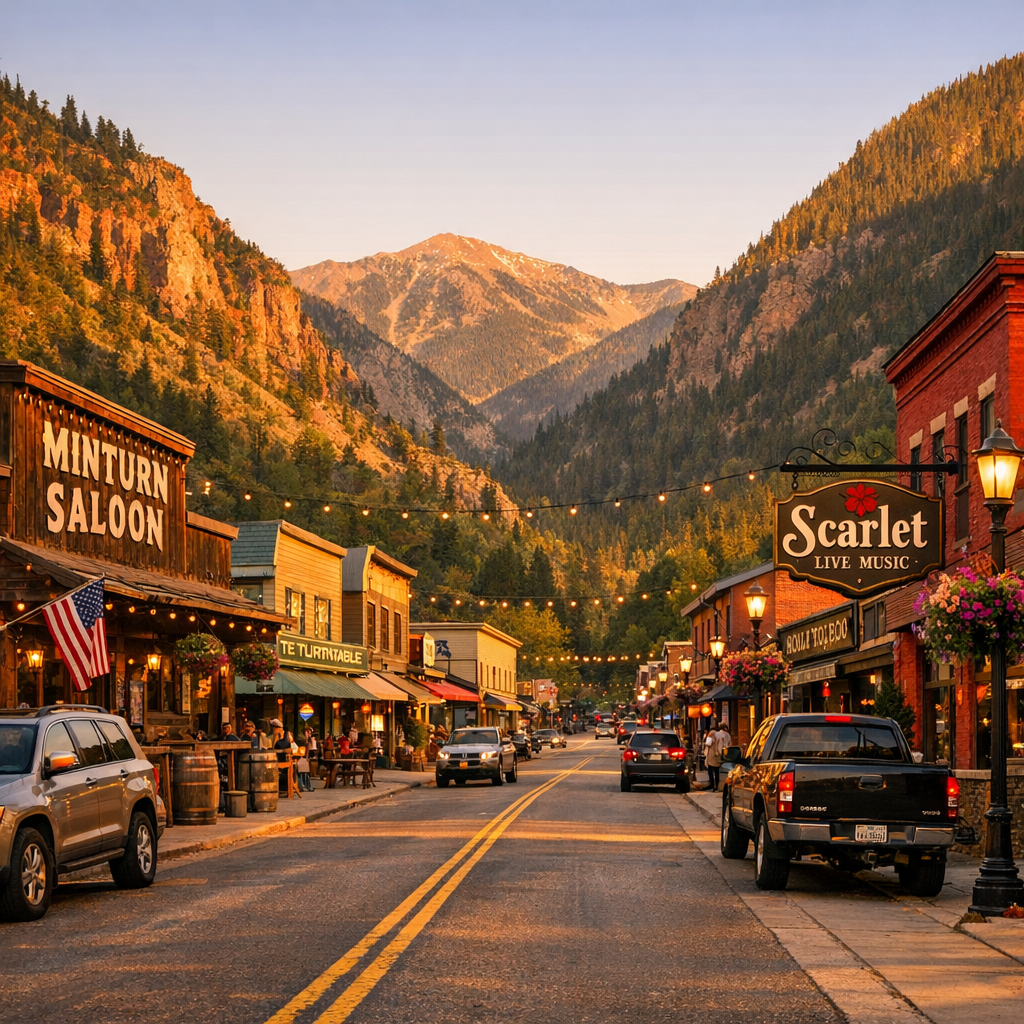
I’ve lived in Minturn long enough to remember dusty Main Street afternoons, the roar of highway traffic winding down, and evenings in Little Beach Park where our neighbor’s laughter mixes with the river’s murmur. Lately, I’ve been watching our town grow—not just in buildings, but in tension between what’s arriving and what we hold dear.
Water, the Ground Beneath Our Growth
We’ve all noticed the announcements: Round after round of water restrictions, rate increases, and urgent municipal plans. A moratorium on new taps is active in many parts of town, not because of desire, but out of necessity. Our water system—once modest but sufficient—is straining under the demands of growth and climate stress. Sources tell me this isn’t just about adding more rooftops; it’s about planning our entire way of life around a resource that doesn’t grow more abundant with wishful thinking.
How We Look, Where We Live
Our town is nestled between wilderness and resort towns, and we are often compared—or worse, steered—toward becoming more like our neighbors. But Minturn’s history is distinct: a railroad town, once a lettuce production hub, now a small place with a sure sense of self. The latest Imagine Minturn Community Plan update, and the “Minturn Forward” zoning overhaul, show both the possibility and peril of change. Developers seek density, efficiency, affordability—locals worry about preserving character, protecting open space, and keeping downtown from looking like anywhere else.
Recreation, Equity, & the Spaces That Shape Us
One of the stories I hear most is about Little Beach Park. Its worn playground, aging retaining wall, and chipped features aren’t just eyesores—they’re risks to our children, symbols of what’s been deferred. It’s our only accessible play space, and if the wall fails, so might our ability to enjoy that gathering place without worrying. We’ve applied for grants to fix it for safety’s sake, to ensure everyone—kids, visitors, locals—is included. Because recreation that isn’t equitable becomes, quietly, exclusion.
The Balancing Act: What Are We Willing to Share? What Do We Refuse to Lose?
Some among us say enough development. Others say without new homes for workers, businesses die and values rise. We’re caught deciding whether to tame change or stand in its way. Solutions aren’t simple. They mean tighter design guidelines, prioritizing workforce housing, clarifying zoning rules. But they also require trust. Trust that our town leaders will listen fully; that our voices aren’t only heard but heeded.
Forging a Civic Values Contract
I’ve come to believe we need what many families have: a contract. Not a legal one—something deeper: a shared sense of what Minturn is for. Is it a haven from resort sprawl? A place where kids run barefoot in summer? A shortcut between ski towns? A cradle for history and nature? If we can agree on those, the rest—sewers, sidewalks, water rates—starts to fit together.
Minturn doesn’t need more of everything, but it deserves what’s essential. Care in what we build. Honesty in what we spend. Courage to let go when something isn’t working. And a stubborn heart for what we already have.